
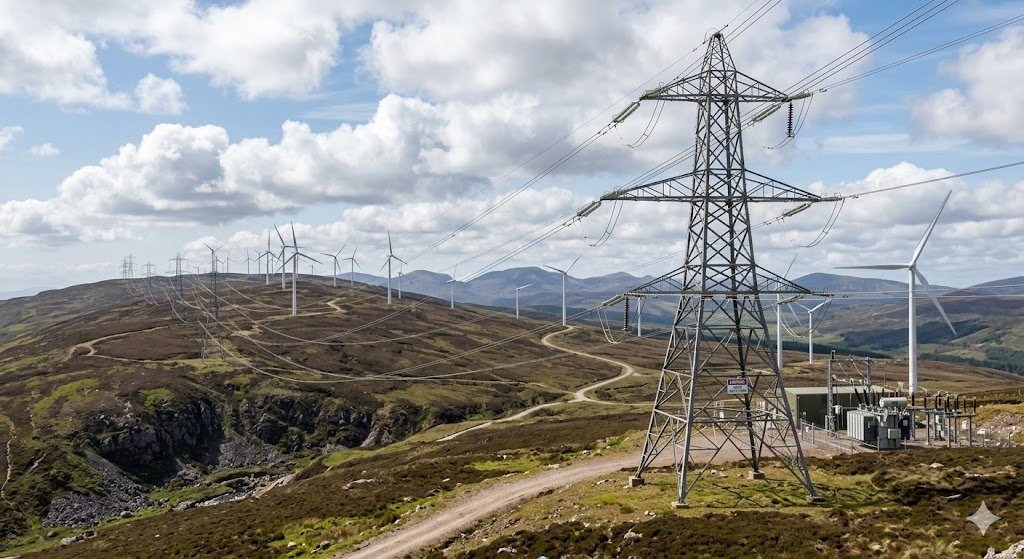
Renewable energy is no longer a peripheral environmental ambition; it is the fundamental pillar of a modern, resilient economy. As the world shifts away from carbon-intensive power, the electricity sector sits at the heart of this transformation. For communities like Daylesford, this transition represents both a preservation of the natural landscape and a radical shift in how local infrastructure integrates with the national grid.
The Imperative of Renewables
The importance of renewable energy lies in its ability to decouple economic growth from environmental degradation. Fossil fuels—coal, oil, and gas—have historically provided the “baseload” power necessary for industrialization, but they come with a mounting cost in the form of greenhouse gas emissions and volatile market pricing. In contrast, wind, solar, and hydro offer a path toward energy sovereignty and long-term price stability. By harvesting energy from infinite natural flows, we mitigate the most catastrophic impacts of climate change while reducing the air and water pollution that directly affects public health.
The Friction of Transition
Despite the clear benefits, the transition within the electricity sector is fraught with technical and social hurdles. The primary issue is intermittency: the sun does not always shine, and the wind does not always blow. Solving this requires a massive overhaul of our grid architecture, shifting from a centralized model (large coal plants sending power one way) to a decentralized, “two-way” system.
This requires:
- Energy Storage: Large-scale batteries and pumped hydro to bridge gaps in generation.
- Transmission Infrastructure: New high-voltage lines to connect windy or sunny remote regions to the cities and towns that need the power.
- Social License: Ensuring that the communities hosting this new infrastructure feel respected and compensated.
The Daylesford Context and Hepburn Energy
In the Hepburn Shire, this global challenge is felt locally. Daylesford has long been a bellwether for community-led climate action, largely thanks to the pioneering work of Hepburn Energy (formerly Hepburn Wind). As Australia’s first community-owned wind farm, Hepburn Energy demonstrated that the “big energy” model could be challenged. By placing ownership in the hands of locals, they proved that renewable transitions could be democratic, providing both clean power and a “Community Benefit Fund” that reinvests in the region’s social fabric. Their leadership has turned the Shire into a blueprint for how small towns can punch above their weight in the global energy race.
Local Controversy: The Western Renewables Link
However, the transition is not without its scars. The controversy surrounding the Western Renewables Link (formerly known as part of the Western Distributor project) highlights the tension between macro-climatic goals and micro-local impacts. The proposed high-voltage transmission lines, intended to carry renewable energy from western Victoria to Melbourne, have met significant resistance. For many in the Daylesford and Newlyn areas, the overhead lines represent a threat to prime agricultural land, tourism-heavy landscapes, and local biodiversity. This conflict underscores the “Social License” dilemma: how do we build the infrastructure required to save the planet without destroying the very character of the places we are trying to protect?
Join the Conversation
These are complex, multi-layered issues that require more than just technical fixes; they require community dialogue. To dive deeper into these tensions—and to explore how Daylesford can navigate its energy future—locals are encouraged to attend the upcoming Daylesford Conversation.
Featuring Bruce Mountain, a leading energy economist, and Taryn Lane, a key figure in community energy leadership, this event will provide a vital forum to discuss how we balance the urgent need for a renewable grid with the protection of our local environment.
Thursday April 16, 6 – 8 pm, Community Bank meeting rooms, 113 Main Road Hepburn Springs.
Please register to make sure you get a seat and to help us plan refreshments.
Daylesford Conversations are joint initiative of the Wombat Post and Daylesford Rotary. Conversations are supported by a grant from Australia Post.