
In the 1850s and 1860s most men in the Daylesford area were engaged in mining and trades that supported mining for gold. But by 1926, 100 years ago as the gold reefs had disappeared, employment trends had changed significantly.
The local Rates Lists provide a snapshot of how property owners indicated their work status.
| Glenlyon Farmer 256 Housekeeper 92 Labourer 42 Teacher 6 Gentleman 3 Franklin Farmer 135 Housekeeper 89 Labourer 28 Engine Driver 2 | Hepburn Farmer 44 Housekeeper 150 Labourer 45 Miner 26 Gentleman 24 Daylesford Farmer 2 Miner 26 Home Duties 70 Labourer 11 Retired 13 |
[Some interesting observations from this data:
- There were more gentlemen in Hepburn than elsewhere (perhaps that trend continues?)
- Housekeepers (presumably wives?) were major property owners.
- Daylesford was the only centre left where miners owned property.
- Like today, Daylesford was a preferred place of residence for retirees.]
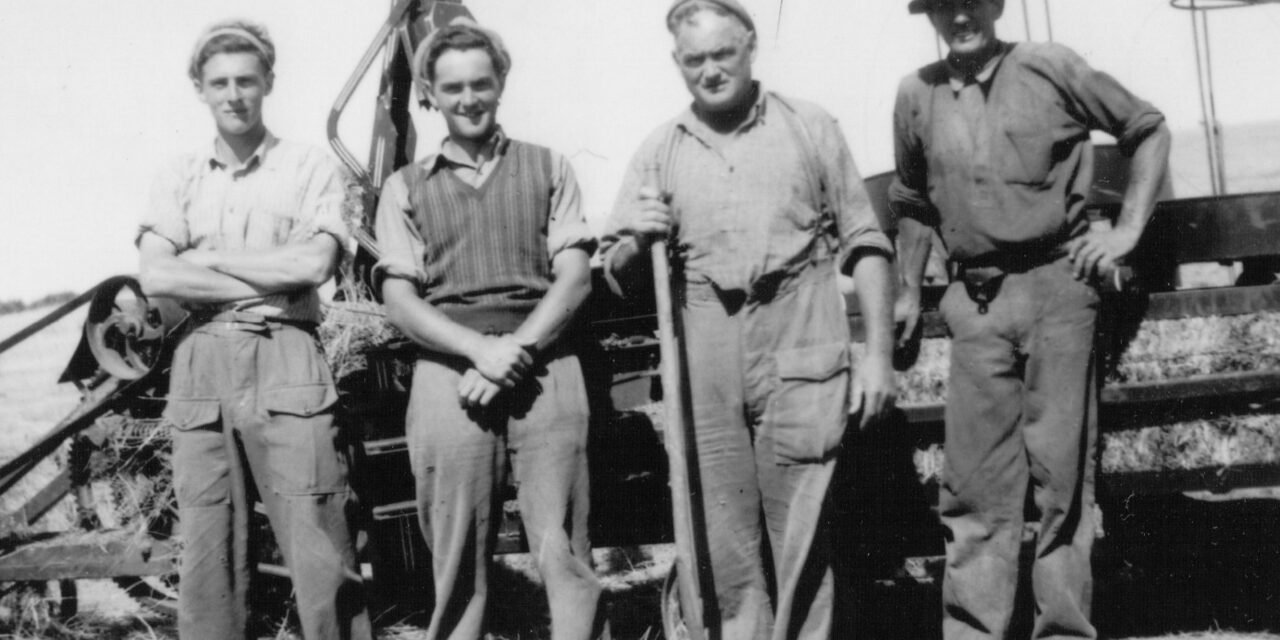
By 1926, farming had evolved as the main form of employment in our region. It was a tough, manual endeavour, slowly being transformed by modernisation, with families and communities working in very tight, sometimes harsh, environments to build prosperity.
It was a period of intense labour, transitioning technology, and significant optimism tempered by harsh environmental challenges. It was a time when horse-drawn methods were slowly being replaced by tractors and early motor trucks, and many soldiers returning after WW1 tried their luck on the land.
While tractors were arriving, horses were still the primary source of power for many farmers, with teams of eight or more horses often used to pull ploughs.
Farmers continued to use manual methods to clear land, some utilizing rollers pulled by horses to break down scrub. This was dangerous work, requiring the burning of scrub in hot weather and manual removal of stumps.
Farming relied heavily on the entire family. Women played a crucial role in dairying and farm management, and children were expected to help with chores.
Dairying was widespread, and the 1920s saw an increase in intensive farming, including fruit and vegetable production on irrigated lands. Many farms were isolated and lacked modern amenities. Families often lived in substandard housing, sometimes living under “a few bags” until better housing could be built.
Farmers faced unpredictable weather, including the looming threat of droughts, bushfires and floods. Mice plagues were also a major problem, destroying grain stocks. Many farmers were burdened with heavy debt, requiring extreme resilience to survive.
The 1920s began with optimism, but the end of the decade saw the onset of the Great Depression, which, coupled with drought, made it an extremely challenging time for farmers.
To obtain some insight into the way of life of farmers and other workers, The Daylesford Museum’s current exhibition On The Job offers a unique look at the working lives and tools used by our communities during the 1920s.
References:
Daylesford and District Historical Society. https://daylesfordmuseum.net/
https://www.oldtreasurybuilding.org.au/lost-jobs/on-the-land


