
Diane Beddison
Gardening in Daylesford during autumn is characterized by a transition into the region’s distinct cool-climate rhythm, where the focus shifts from final summer harvests to preparing the soil for winter dormancy. As ambient temperatures drop, the ground often retains residual warmth, making it an ideal window for planting cool-season vegetables like kale, broccoli, and spinach, as well as establishing spring-flowering bulbs such as daffodils and tulips before the onset of heavy frosts.
Gardeners typically dedicate this season to clearing spent annuals and debris to mitigate fungal risks during the wetter months, while simultaneously enriching soil with organic compost and protective mulch. It is also a prime time for planting hardy trees and shrubs, which benefit from the mild weather and reliable rainfall to develop strong, resilient root systems before the cold bite of winter settles over the Hepburn Shire.
PLANT OF THE MONTH
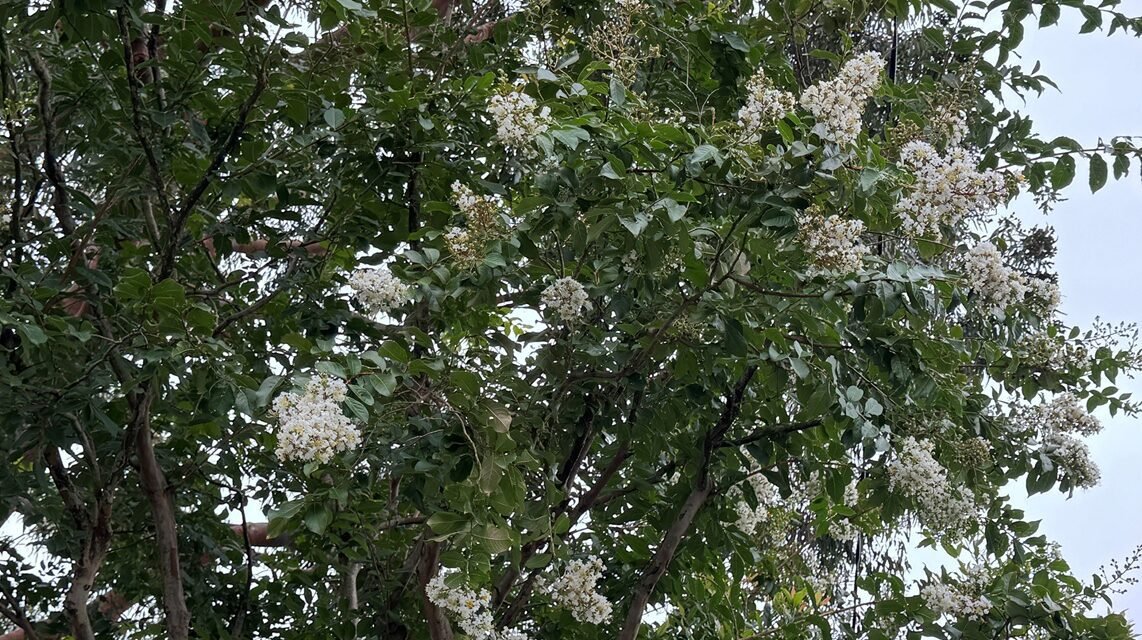
Crepe Myrtle are deciduous, vase shaped trees, which are tough and produce an abundance of gorgeous flowers. They enjoy a sunny position, are drought tolerant and frost tolerant once established. Flower colour includes white, mauve, pale pink through to hot pink.
Lagerstroemia x indica is the Crepe Myrtle commonly grown in Australia. They are flowering now and will continue well into autumn. As autumn temperatures drop, their leaves turn wonderful red and orange colours. In winter, their attractive bark provides further interest.
There is one for every garden, with dwarf varieties growing only to 2m and other varieties growing anywhere from 3m to in excess of 8m. They can be used as specimen trees or to provide privacy. They look good planted in a row or in a copse (use smaller varieties if you are planting them close to each other). The larger varieties are available as single stemmed plants allowing you to walk under them. However, the smaller ones behave much more like a shrub and therefore consume more space at ground level.
For a small shade tree choose from the following or study the entire range by accessing grower websites. Lagerstroemia indica x fauriei ‘Tuscarora’ whose flowers are a combination of hot and coral pink. Lagerstroemia ‘Natchez’ has lovely clear white flowers. Sioux Crepe Myrtle has musk pink flowers which blend well with other plants.
If you want the wow factor select from ‘The Magic Series’ with their deep maroon/purple foliage. They are multi-stemmed and small, growing only 4m high x 2 m wide.
Prune Crepe Myrtles in early spring to keep them looking a neat shape. Cutting too hard produces weak epicormic growth which can look ugly.
GARDENING FUN
Once the summer has dissipated, there is plenty to do in the garden. It’s time to feed your plants, top up mulch, prune as needed, and use the mild weather to plant vegetables and add interest to your garden.
Feed plants now with an excellent quality organic fertiliser. Rose and Citrus are heavy feeders and will enjoy some poultry manure. For Native plants, particularly grevilleas and banksias, purchase a native fertiliser which is low in phosphorus. Top up mulch in your ornamental herb and vegetable gardens. If you plant a generous number of ground covers, your garden will become self-mulching quite quickly. Give autumn flowering plants a light prune. Summer flowering perennials which have attractive seed heads, such as sedums and ornamental thistles, can be left longer so you can enjoy them over the next few months.
Remember to compost leaves, small healthy prunings and weed-free grasses. You just need chicken wire and some stakes to create a couple of 500-600mm wide circles for an average house block.
LET’S PLANT
Whilst there is still plenty of warmth in the soil, it’s an exciting time to plant. Autumn planting gives the plants extra time to establish before the heat of next summer. Water new plants in well and don’t allow them to be damaged by any further hot days.
In the vegetable garden, plant lettuce, parsley, and Brassicas (such cauliflower, broccoli, and Brussel sprouts) soon.
Why not take your garden to the next level. Do you have gaps in your garden? Do you need more autumn colour, is your garden sparse in winter or lacking flower colour in spring, or not tough enough in summer?
Trees and shrubs for Autumn colour are best selected now. Nurseries should have a wide range of deciduous trees for customers now. Check their summer and autumn leaf colours to decide what you prefer. When choosing a tree, large shrub or planting a large area, don’t rush, plan.
Holding the garden together in winter requires a combination of winter flowering plants, a variety of evergreen shrubs which have attractive foliage, and some special interest such as trees with colourful bark or garden ornaments.
And don’t forget to purchase some bulbs to plant now for your spring display. Perhaps some daffodils to accompany your roses, bluebells under an old tree or some tulips in pots. Dig in plenty of compost ready to plant bulbs in mid to late Autumn. Bare root roses need to be ordered by the end of April.
If your need some further inspiration or want to find that special plant, don’t miss a visit to Melbourne for the International Flower and Garden Show which runs in the last week of March.
Enjoy Autumn in the Garden.
Diane Beddison is a frequent visitor to Daylesford and the Principal of Beddison Garden Designs
Diane Beddison, Beddison Garden Designs