Outdoor recreation could become one of the most important pillars of the Daylesford district’s visitor economy in the years ahead. That is the message behind an upcoming Daylesford Conversation that will explore how walking, cycling and nature-based tourism can build on the region’s existing strengths.
The talk will feature Tim Bach, president of the Great Dividing Trail Association, and Adam Ford, Hepburn Shire Visitor Experience Officer. They will examine how Central Victoria’s forests, trails and landscapes can support sustainable tourism growth while strengthening community connection to the natural environment.
Former Daylesford Macedon Tourism chief executive Steve Wroe once articulated a vision for the region as a major outdoor recreation destination. His idea was simple: that walking, cycling and nature experiences could become just as important to the local economy as the café, spa and wellness culture for which Daylesford is already famous.
In many ways, the region has always drawn visitors because of its natural appeal. Since the late nineteenth century, when railway connections first brought travellers to Daylesford, visitors have been attracted by forests, mineral springs and the promise of rest and rejuvenation.
Today, bushwalking, mountain biking and camping offer a logical extension of that tradition. Outdoor recreation is accessible to people of all ages, works across the seasons and can be developed with relatively low environmental impact compared to many other forms of tourism.
But developing successful outdoor recreation is not just about building tracks.
Modern visitors are looking for experiences rather than simply a route on a map. Walkers and riders value scenic viewpoints, rest areas, clear signage and stories that bring landscapes to life. Interpretation can highlight First Nations cultural landscapes, the region’s gold mining heritage, forestry and agricultural history, as well as the rich biodiversity of the Central Highlands. Seasonal experiences such as spring wildflower walks can also help create distinctive visitor experiences.
Linking walks and rides to food, accommodation, galleries and local attractions can also turn a short outing into a full day’s experience. Examples already exist in the region, such as the Domino Track between Trentham and Lyonville along the old railway corridor, or sections of the Goldfields Track linking the Hepburn Mineral Springs Reserve to the Chocolate Mill.
At the heart of many of these opportunities is the Great Dividing Trail Association’s Great Dividing Trail Network. Formed in 1992, the association set out with an ambitious goal: to link the historic goldfields towns of Central Victoria with a long-distance walking and cycling route.
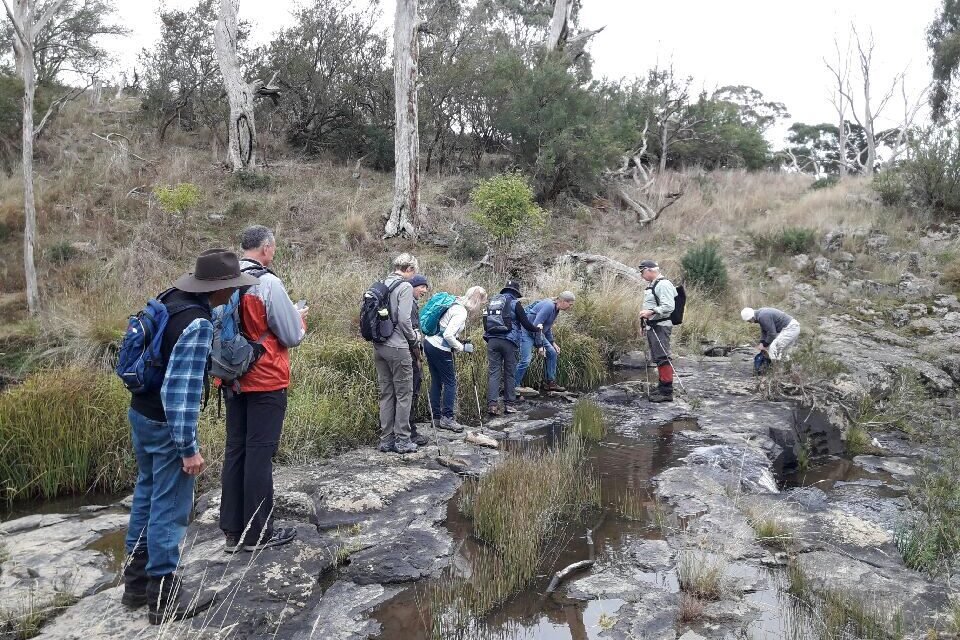
Over the years, volunteers working with land managers have developed a network connecting Ballarat, Creswick, Daylesford, Castlemaine, Bendigo, Blackwood and Bacchus Marsh. The trails pass through a remarkable range of landscapes, including the Wombat–Lerderderg National Park, Hepburn Regional Park, Castlemaine Diggings National Heritage Park and Greater Bendigo National Park.
Shorter walks also play an important role. Not everyone is interested in multi-day journeys, and accessible walks close to town centres often provide the gateway to longer adventures. The Daylesford district already offers a dense network of short and medium-length walks around Daylesford, Hepburn Springs, Blackwood and Trentham. Good signage, trailheads, picnic areas and basic facilities can greatly enhance these experiences.
The region has many strengths: internationally recognised scenery, strong hospitality infrastructure, proximity to Melbourne and an active volunteer culture in bushwalking clubs, landcare groups and trail maintenance. And the GDTA has developed resources to support both shorter day-long adventures and longer multi-day treks. Its guides to the Goldfields Track and the Lerderderg Track and its Circuits Guide are well known to hikers and mountain bikers.
There are also challenges. Long-distance walkers currently have limited access to campsites, water points and support services along the trail network. Increasingly frequent bushfires and floods have also damaged sections of track, and repairs can be delayed by limited resources for land management agencies.
Yet opportunities remain significant. The Central Victorian Goldfields World Heritage bid could attract new attention and resources, while the establishment of the Wombat–Lerderderg National Park opens the door to new walking routes and outdoor recreation experiences.
Ultimately, the region’s future as an outdoor recreation destination will depend on collaboration. Local governments can support community groups that maintain and develop trails, while state agencies can invest in essential infrastructure such as campgrounds, water points and visitor facilities.
The goal is not a single large project, but steady improvement, building on existing strengths and connecting nature, culture and community in ways that remain authentic to the place.
If that vision is realised, Daylesford could become known not only as a spa town, but as one of Central Victoria’s leading outdoor recreation hubs.
Join the Conversation at Connect, 113 Main Rd, Hepburn Springs, on Thursday, March 19 at 6:00 pm. Entry is free but bookings are essential for catering and seating purposes.