
Leadership, trust and who carries the cost
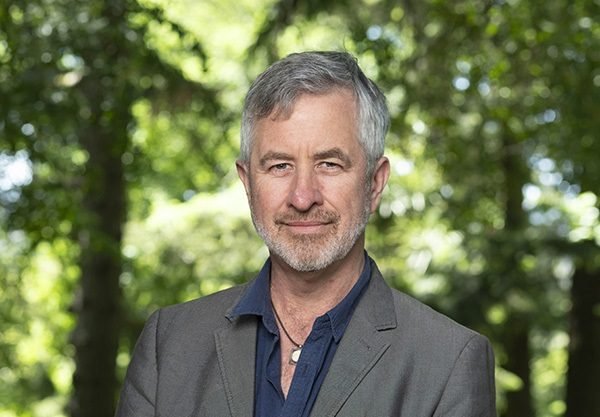
Close to home, I see leadership in Vladimir Keca, founder and director of Daylesford-based Pathway Essentials. Vlad arrived in Australia at eleven as a refugee from the Balkan conflicts. Through Pathway Essentials and Cooked, his team helps young people facing school disengagement, youth justice or child protection build confidence, skills and connection. This work deserves reliable, long-term support.
Both show that trust is earned by working alongside people and sharing power. Local government, as public ownership closest to people, should listen before deciding, share information and give communities a say, stake and fair share.
That principle extends to public assets. Our Long Term Financial Plan review identifies a renewal challenge. Council must deliver a realistic capital program, but regional councils cannot close the gap alone. Large networks, small rate bases, rising costs, cost shifting, rate caps and stagnant federal grants force difficult choices.
The State must better partner with councils. Premier Carroll’s plan to return road maintenance in-house recognises the need for public capacity and accountability.
Last month’s WRL decision tested that partnership. Despite evidence from councils, communities and agencies, the Planning Minister concluded the project could proceed while biodiversity, bushfire, farming, amenity and road concerns remained unresolved. An EES is not meaningful consultation if evidence cannot shape the outcome.
In September, wind and solar met over 80 per cent of main-grid demand, showing why transmission matters. Regional communities will host much of it, but urgency cannot shift risks and costs onto them. Approvals must secure enforceable road agreements, proponent responsibility for road damage and lasting local benefits.
The cost review prolongs uncertainty. The State should release costings and explain the gap between the public $1.5 billion estimate and Brookfield’s $4 billion US disclosure. The figures may differ in scope, but host communities deserve the same clarity as investors. Keeping them in the dark shows neither partnership nor respect. It reflects privatised delivery: public purpose, private control and fragmented accountability.
People are not opposed to change; they are tired of change being done to them. When communities organise, governments move. Integrity means telling the truth, sharing power and enabling people to shape their future.
Reproduced from the Hepburn council website.