

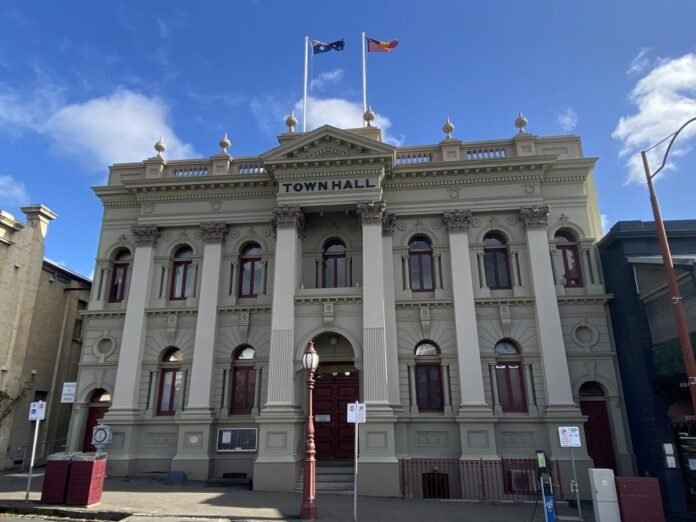
A loophole in Victorian law that allows untested private prosecutions to effectively shut down local councils has been closed by Parliament. Under changes now before the Victorian Parliament to the Local Government Act, a councillor will only be automatically stood down where criminal proceedings are commenced by, or on behalf of, a law-enforcement agency.
Earlier this year, local businessman David Penman brought charges against five of Hepburn Shire Council’s seven councillors—Mayor Tony Clark, Don Henderson, Shirley Cornish, Pat Hockey, and Lesley Hewitt—as well as Chief Executive Bradley Thomas. The charges related to allegations that the CEO and Councillors has misused public money and that the Hepburn Shire Council had adopted its current annual budget without certain financial documents.
The Mechanism: A Loophole in Section 229
Under the Local Government Act, any councillor facing criminal charges, no matter who lays them, had to stand down from council. The legislation didn’t require those charges to have been brought by police or any other law-enforcement body. A private individual could initiate a criminal prosecution by filing charges through the Magistrates’ Court and then formally delivering the documents to the accused.
With five councillors standing down, Hepburn shire no longer had enough councillors for a quorum, meaning no decisions could be passed. With just two councillors remaining in office, the council could not form the four-member quorum required to conduct meetings. In effect, Hepburn Shire Council was paralysed.
The Response: From Crisis to Campaign
There were immediate calls for the loop hole to be closed. Rural Councils Victoria chair Robert Amos urged government intervention, stating: “It’s untenable that the Local Government Act gives individuals the power to trigger the automatic stand-down of an elected councillor before any independent authority has assessed the merits of the case. What is happening in Hepburn today could happen to any council tomorrow.”
The peak body called on Attorney-General Sonya Kilkenny to request the Director of Public Prosecutions to consider taking over all current private prosecutions against councillors.
The Intervention: DPP Steps In
The Director of Public Prosecutions intervened, taking over the charges and successfully applying for them to be thrown out. In early August, all criminal charges were dropped against the five councillors and the CEO, and the councillors were reinstated to council.
Following the Director of Public Prosecutions’ dismissal of the private criminal charges, there was no need for the Minister for Local Government to appoint an administrator, according to Mayor Tony Clark. “Following the DPP’s dismissal of the private criminal charges this week, there is no evident need for the Minister for Local Government to appoint an administrator. This normally applies when a Council has fallen foul of its governance responsibilities, but our situation is unprecedented because Council and the administration did nothing wrong.”
The Legislative Fix
Now, under changes to the Local Government Act, a councillor will only be automatically stood down in cases involving criminal proceedings underway, or when a law-enforcement agency is involved.
The Local Government Legislation Amendment (Stronger Communities) Bill 2026 was introduced to Parliament by Minister for Local Government Paul Hamer on 17 June 2026. The amendment has passed the upper house of parliament.
Implications for Local Democracy
The reform is being welcomed across Victoria’s council sector. Rural Councils Victoria deputy chair Kate Makin, who is also Corangamite mayor, said the case exposed a threat to procedural fairness and democracy.
Hepburn Mayor Tony Clark welcomed the changes as “fantastic” but said he would have hoped it had been fixed earlier. “It’s a great sense of relief for our community,” he said. abc
The implications extend beyond Hepburn. The case showed that “if it could happen to one council it could happen to all of the councils across Victoria,” according to a councillor quoted in recent reporting.
What Changed, and Why It Matters
Previously, the automatic stand-down provision in Section 229 of the Local Government Act 2020 applied to any criminal charges, regardless of source. This created an asymmetry: a determined individual with access to the Magistrates’ Court could potentially bring a council to a standstill before any independent authority had assessed whether the allegations had merit.
The reform narrows the trigger: now, only charges brought by or on behalf of a law-enforcement agency will trigger automatic stand-down. This maintains safeguards for councils against misconduct while protecting councillors from weaponised prosecutions by private citizens.
Rural Councils Victoria has acknowledged both the Victorian Government and the Opposition, the Greens, and MPs across Parliament for recognising the seriousness of the issue and supporting the reform.