
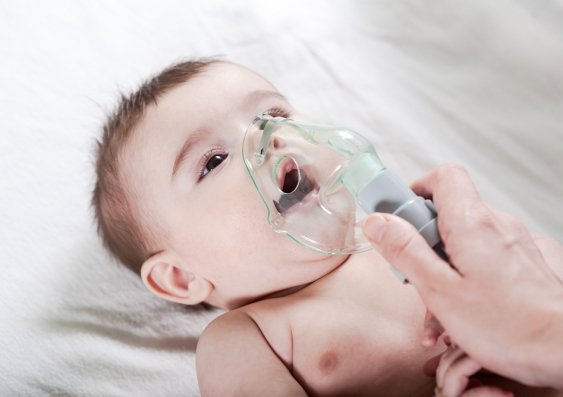
Before vaccination became available in the 1950, for whooping cough (pertussis) was a terrifying disease for parents. It killed an average of 300 infants a year and thousands of babies ended up in hospital.
Unfortunately, Australia is now facing its most significant whooping cough (pertussis) outbreak in 35 years. New data from the Productivity Commission reveals that 82,513 cases were detected nationally across 2024 and 2025—the highest volume since monitoring began in 1991. The surge has persisted into early 2026, with school-aged children (5–14 years) accounting for roughly half of all notifications.
Health officials attribute this “very big bounce” to two primary factors:
- Declining Immunity: Routine childhood immunization coverage has dropped to a 10-year low. National coverage for children aged 1–5 has decreased by an average of 2.6% since 2021, with the sharpest decline seen in toddlers aged 12–15 months.
- Post-Pandemic Shift: COVID-19 restrictions disrupted the natural six-year epidemic cycle, reducing the community’s “natural boost” and leaving a wider gap in population immunity.
Whooping cough is a severe respiratory disease that can cause pneumonia, seizures, and brain damage, particularly in infants. To combat the surge, the government recommends a multi-stage vaccine schedule for children (2 months to 4 years), boosters for adolescents and pregnant women, and a priority on “catch-up” activities to address the widening equity gap in vaccine access.
Unfortunately, there is a gap from birth until the infant’s immune system is mature enough to be vaccinated at about two months. It is therefore important that parents, grandparents and others close to new born babies are up to date with their pertussis vaccination.
Vaccinations and booster shots are available at the Springs medical centre.


