“Gong Xi Fa Cai 恭喜发财” – Happy Chinese New Year 2026
The New Year was once celebrated by thousands of Chinese (and some of their families) in Daylesford.
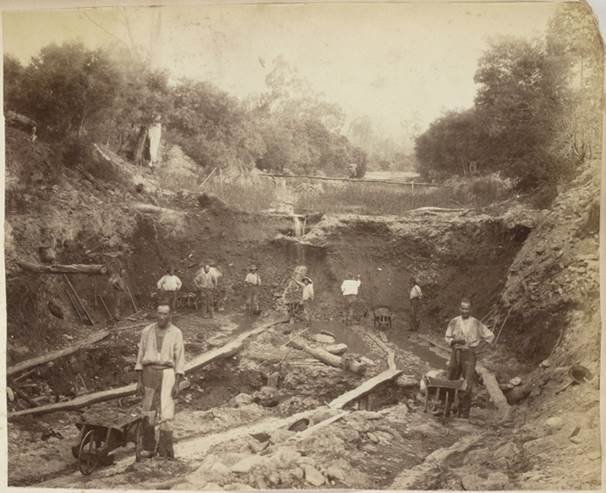
During the height of the Victorian gold rush, specifically around 1859, there were approximately 800 Chinese diggers in the Daylesford area, accounting for about one third of the population. They preferred alluvial workings, planted extensive market gardens and had their own village near Breakneck Gorge with a Joss House and store. (The significance of the Chinese community during this period is commemorated at the Lake Daylesford Reserve, which features an interpretive sign detailing the history of the local Chinese camps and a barbeque pavilion designed in a Chinese style.)
The Chinese on the Daylesford goldfields were a well-behaved group as they were on most gold-fields. However, their vices of gambling and smoking opium were frowned on by the genteel of Daylesford, though they came into court only rarely. Their chief crimes were stealing food, mostly chickens, and stealing gold from the sifting machines in the creeks.
In 1868 it was reported to the Government by the Chinese Interpreter Low Among (in a Report by Rev. William Young) that there were 1021 Chinese on the Daylesford Goldfield but that this number was falling as they returned to China.
- 450 were married with wives in China
- 4 were married to European women
- 9 Chinese children (5 of them attending school)
- 765 were miners – average earnings £1.10p per week
- 85 were fossickers – ‘the diligent ones earned from £1 to £2 per week; the lazy ones from 5s to 6s per week’
- 660 formed companies
- 4 were employed at European claims
- 150 were employed by Europeans in harvest work, earning £2 per week – ‘The weather was very hot and the men suffered much from it. Harvest operations lasted from 3 to 5 weeks. No sheepshearing here.’
- 6 Chinese stores. 20 shopkeepers.
- 56 Chinese market gardeners and hawkers of vegetables.
- 2 barbers
- And others including druggists and doctors, butchers, cook-shops, tailors, carpenters, fishmongers, ‘hawkers of useful and fancy articles’
- And 168 unemployed Chinese.
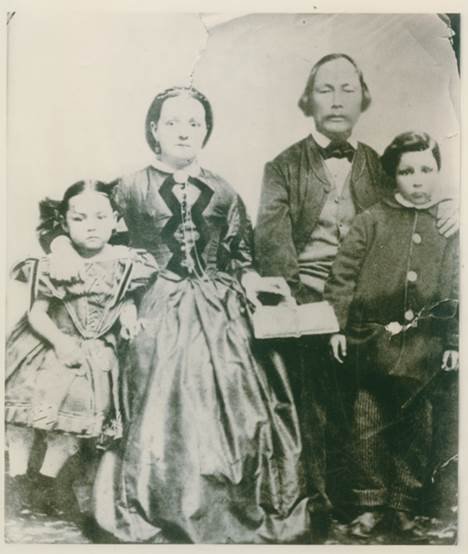
Photograph – The Interpreter Abboo Mason with family, c. 1866, Golden Dragon Museum
The Rev. Young opined that “It is characteristic of these people to be industrious – they are taught to be so from their childhood. They are also patient, persevering, and thrifty.; obedient to the laws, and seldom break out into open rebellion, unless goaded to it by grinding oppression and tyranny. They are great lovers of their country (China). The majority in this colony are looking forward to that happy consummation, the return to their fatherland, and are content to toil here, amid many difficulties and privations, until they can lay by a sufficient sum wherewith to carry out their heart’s desire.”
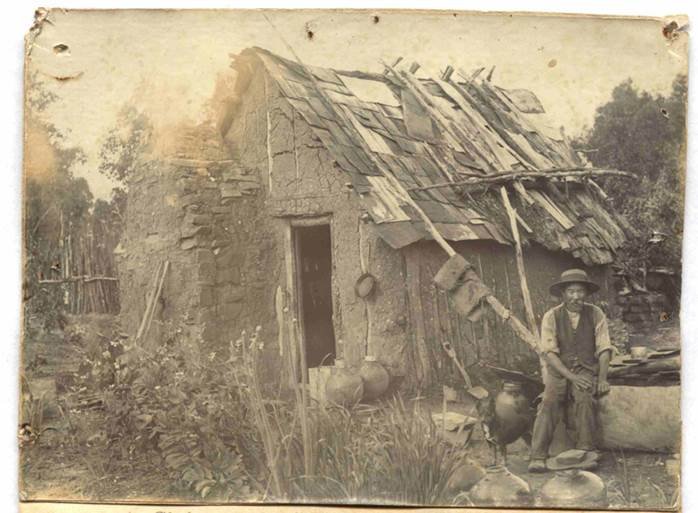
Photograph – Chinese market gardener, W H Ferguson (photographer), c. 1890-1910, Dunolly Museum
By the late 1860s there was a general, continuous reduction in numbers as many returned home to China either with riches dug from the earth of Daylesford and District or crippled by the poverty which had forced them to turn their hands to the most menial or most backbreaking employments. By this stage, their New Year holidays that used to be celebrated with much jubilation and noisy demonstration were now passed off in a very quiet and tame manner.
Whether Chinese diggers returned to China or settled in Victoria, the intercultural exchanges between people continued for generations, and continue to this day.
Today, there is no public celebration of Chinese New Year in Daylesford. We are the poorer for its absence
References:
Pitt, Les (2016). “Mud, Blood And Gold”
Young, Rev. William (5 March 1868). “Report on the condition of the Chinese Population in Victoria”.
From the Daylesford and District Historical Society. https://daylesfordmuseum.net/