Hepburn Shire Council took the decision not to celebrate Australia Day on January 26th in solidarity with DJAARA (Dja Dja Wurrung Clans Aboriginal Corporation).
The Council statement supporting the decision indicated that “Hepburn Shire Council is an inclusive Council and understands individual community groups who may wish to host their own events and celebrations of 26 January.”
The Council’s decision was developed in consultation with Councillors and the Reconciliation Advisory Committee.
While the Council Statement was blunt and therefore controversial, iIt followed a period of Council scaling back its events on and around 26 January. The Council statement pointed out that citizenship ceremonies occur throughout the year, and the annual Community Awards now take place during National Volunteer Week in May.
Council continues to provide logistical support like bins and safety for independent events.
The DJAARA statement, which Hepburn Shire Council formally stands alongside, describes January 26 not as a day of celebration, but as a significant marker of the “profound disruption” and ongoing trauma caused by colonization.
Representing the Dja Dja Wurrung people, the statement emphasizes that the date commemorates the beginning of dispossession and the systemic impact on First Nations Country and Culture.
Rather than participating in nationalistic festivities, DJAARA advocates for a focus on truth-telling, reflection, and acknowledging the resilience of the world’s oldest continuing living culture. For the Traditional Owners, the day serves as an invitation for the broader community to walk together (ngaldurrong yana) in a spirit of healing rather than exclusion.
On the other hand, opinion polling data suggests that the majority of Australians do not want to move the day. That position has been adopted by the Liberal Party. Shadow Minister for Local Government and Scrutiny of Government, Bev McArthur said, “January 26th should remain the central occasion for the nation to come together, reflect on our shared history and celebrate the many achievements that make Australia the great country it is today.”
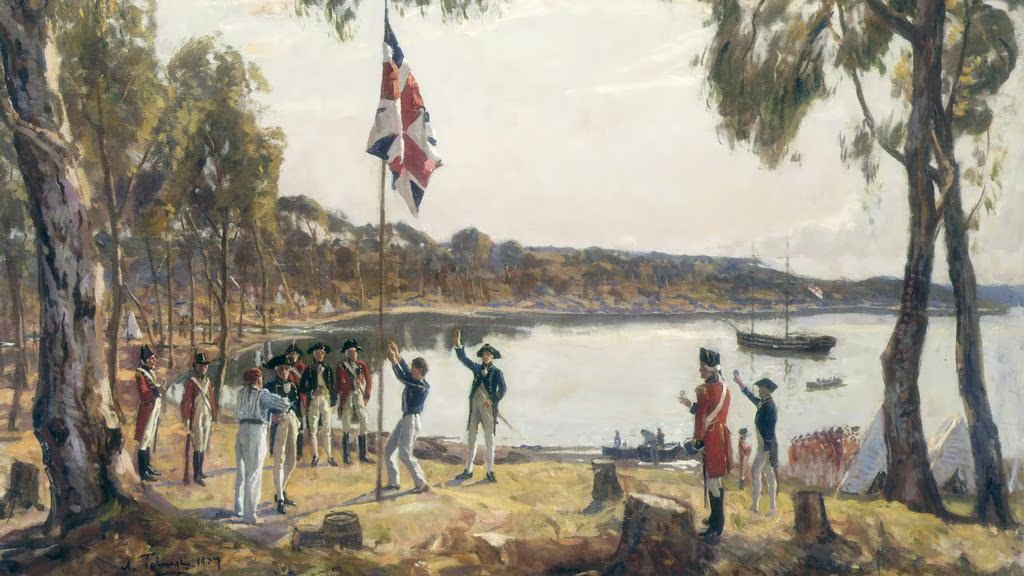
In practice, a significant proportion of the population are unaware that January 26 is the date Captain Arthur Phillip raised the British flag at Sydney cove, effectively signalling the beginning of colonisation rather than the establishment of Australia as a nation. Originally, it was mainly celebrated in Sydney as Foundation Day.
Earlier last century, the main day of celebration was Empire Day, on May the 24th, Queen Victoria’s birthday.
In fact Australia became a nation with its own constitution on January 1, 1901 when the separate colonies federated. Australia Day was first celebrated in 1915 on July 3oth as a fund raising event for the First World War shaped by the Gallipoli landings.
It wasn’t until 1935 that all the States agreed to use the name Australia Day and celebrate it on January 26th. For many years Australia was celebrated on the Monday closest to Australia Day. It only became a national day in every State and Territory in 1994. Even so, from very early on, the date has been seen as a day of mourning by the indigenous community.
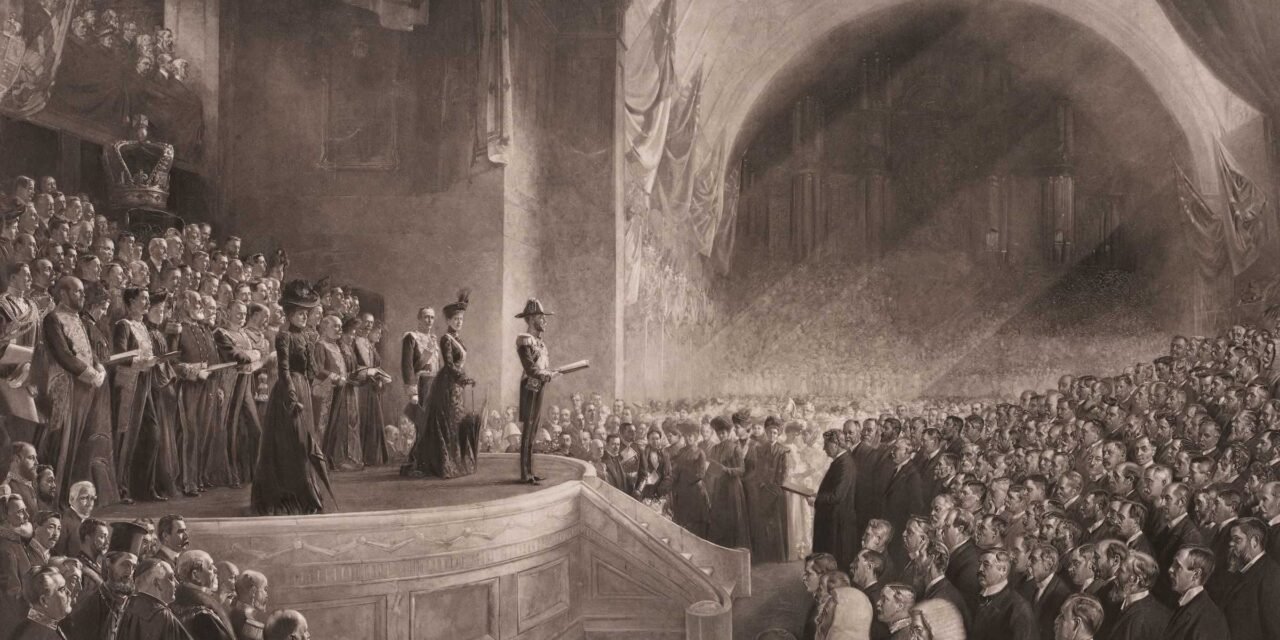
Alternative dates have been suggested, including the first of January, May the 9th when parliament opened in Canberra, and March the 3rd when the Australia Act making Australia a fully fledged sovereign nation came into effect in 1986.