
Jake Dwyer
What is exercise physiology?
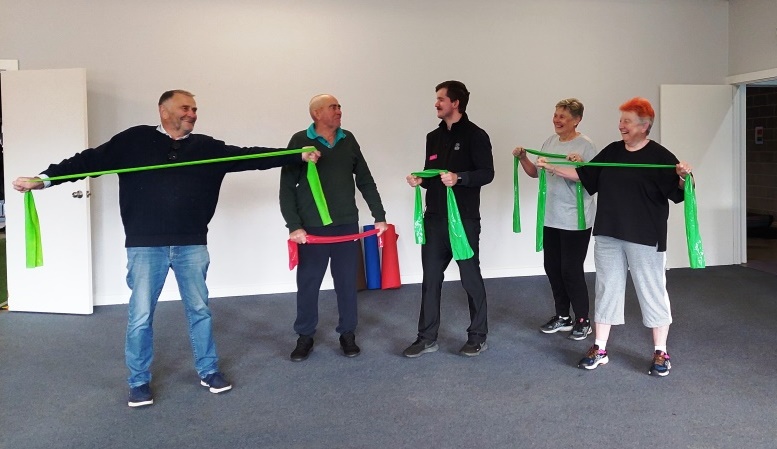
Many people don’t know exactly what an Exercise Physiologist is or what they do. An Exercise Physiologist (EP or Ex Phys) is a tertiary-qualified allied health professional. Allied health includes professions such as physiotherapy, podiatry, occupational therapy and many others. Exercise physiology is the study of how the body responds to exercise and how exercise can be used to treat medical conditions and rehabilitate injuries.
An Exercise Physiologist can work with a range of conditions, including but not limited to:
- Musculoskeletal (e.g. osteoarthritis and osteoporosis)
- Cardiovascular (e.g. hypertension and hypercholesterolaemia)
- Cardiometabolic (e.g. diabetes)
- Pulmonary (e.g. emphysema and COPD – chronic obstructive pulmonary disease)
- Neurological (e.g. Parkinson’s disease)
Exercise Physiologists can also help with rehabilitation after heart attacks and strokes, as well as major surgeries such as total hip and knee replacements. It is worth noting that EPs often work closely with Physiotherapists during the rehabilitation process. Typically, Physiotherapists work more in the acute to mid-term phase, while EPs focus more on the mid- to long-term phase.
Exercise Physiologists can work in a variety of settings, including:
- Hospital outpatient rehabilitation (e.g. Ballarat Base Hospital)
- Community health (e.g. Central Highlands Rural Health)
- Private practice (e.g. Springs Medical)
Most people know that exercise is good for them but may not know exactly how or why. A substantial part of an EP’s job is providing education on the benefits of exercise for a condition or health concern and making it relevant to the patient they are seeing. Explaining the how and why of exercise can often improve patient understanding and engagement. If a patient has a clearer understanding of how exercise will benefit them, and then starts to experience that benefit, they are more likely to continue the exercise. Exercise can be a positive feedback loop: more exercise leads to more benefit, which can lead to more exercise, and so on.
Starting or increasing exercise can also encourage people to adopt other positive health behaviours. People may view poor diet, alcohol use or smoking as negating the health benefits of exercise. By eating healthier and drinking or smoking less, they may feel they are getting more “bang for their buck” from their exercise.
Benefits of improved muscular strength
One of the most common benefits of exercise is improved muscle strength. Muscles operate on a “use it or lose it” principle. The more a muscle is used, the stronger it gets; the less it is used, the weaker it becomes. The adage “use it or lose it” is a common educational slogan among Exercise Physiologists.
Muscular strength is vitally important for everyday life, commonly referred to as ADLs (activities of daily living). The stronger your muscles are, the easier ADLs typically become. One of the most common examples is getting up from a chair, especially a low couch or sofa. The lower the seat, the more demanding it can be on your legs. If you need to use your arms to help you stand, that is likely an indicator of reduced leg strength.
There are a few strategies an EP may use to help someone improve leg strength, depending on the facilities and equipment available. Starting on a higher chair or surface is less demanding on the legs, so a patient may begin there and gradually move to a lower chair as they improve. Using your hands to push down on the tops of your thighs is also a helpful strategy, especially when a chair doesn’t have armrests. This provides leverage similar to pushing on armrests. It is worth noting that the “hands on thighs” strategy is still more difficult than pushing from armrests but easier than standing with no upper-body assistance at all. An EP will use their clinical knowledge and experience to determine the most appropriate strategy for each patient.
What happens at an Exercise Physiology appointment
An Exercise Physiology appointment can be broken into several main sections. The first is the “subjective assessment,” an information-gathering stage where the patient explains any issues, conditions, relevant history, background and goals. Some patients provide this information readily, while others may require the EP to ask targeted questions. This is also the stage where the EP answers questions and provides education on how exercise will benefit the patient’s presenting issues.
The next section is the “objective assessment,” where the EP identifies which physical tests (referred to as outcome measures) are appropriate. These measures should relate directly to the subjective information and ideally align with the patient’s goals.
After the subjective and objective assessments are complete, the EP discusses a treatment plan and exercise prescription. The individualised plan consists of exercises considered most appropriate based on all the information gathered. A review or follow-up appointment is then discussed, with timeframes varying depending on the individual. In some cases, a review won’t be necessary and the patient may check in if or when they need to.
A referral is not required to see an Exercise Physiologist. Costs can be partially subsidised through a number of funding streams, including Medicare, private health insurance, NDIS funding and WorkCover/TAC.
You don’t need to be a patient at Springs Medical to be a gym member, and you don’t need to be a gym member to have an appointment at the gym.
Jake Dwyer is an Exercise Physiologist at Springs Medical Daylesford who sees clients both at Springs Medical and in the gym at Springs Health & Fitness, a community gym managed by Springs Medical.