The Victorian Government’s decision to delay increases to the Emergency Services and Volunteers Fund has shifted attention back onto the troubled levy and the political pressure that has surrounded it since its introduction. The delay, announced in the mid-year budget update on 5 November, pauses planned increases for primary producers until 2027 and provides a one-year reprieve for investment properties while administrative arrangements are finalised.
The move follows months of protests, community anger and sustained criticism from emergency services volunteers, farmers and regional ratepayers who argued the fund placed an unfair burden on households and volunteers already under significant financial pressure.
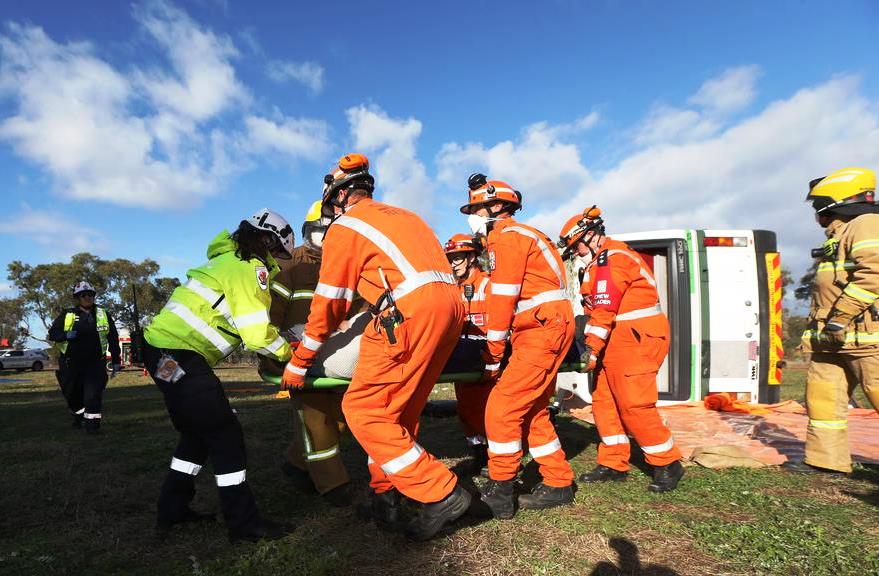
The ESVF replaced the former fire services levy on 1 July and broadened the types of emergency and disaster response activities funded by property owners. Residential, commercial and industrial properties were all affected, but it was regional and primary-production properties that faced some of the steepest increases. That led to large rallies in Melbourne and regional centres, with volunteer brigades parking trucks outside Parliament, numerous CFA members expressing concern about the impact on their communities and, in some cases, volunteer units reportedly going offline in protest.
Volunteer representatives said the levy felt like a tax on the very communities that contribute time and labour to protecting Victoria during fire and storm seasons. Rural landholders also raised transparency concerns and argued that the cost impact on farms was out of step with their capacity to pay.
Against this backdrop, the government’s decision to pause elements of the fund has been welcomed across several sectors, though many stakeholders say the move merely delays rather than resolves structural questions about how the state funds emergency services. Local councils in regional Victoria have also indicated that while the freeze is a sign that community advocacy is being heard, longer-term reform is still required to make the system fairer and more sustainable.
The Real Estate Institute of Victoria has also welcomed the delay, highlighting it as a small but important step in easing Victoria’s broader property tax burden. The Institute has repeatedly argued that cumulative property taxes, including land tax and the ESVF, are discouraging investment and contributing to a contraction in rental housing supply. According to the REIV, recent data showing a decline in rental bonds indicates a shrinking pool of rental properties at a time when demand continues to rise. REIV representatives said the pause in ESVF increases provides short-term breathing room for investors but warned that the current tax settings are contributing to reduced housing availability and rising rents. They said the government and all political parties should use the lead up to the 2026 state election to commit to a more sustainable and investment-friendly tax framework.
Emergency services volunteers and farming groups, meanwhile, have reacted to the delay with cautious relief. Many said the freeze acknowledges the depth of regional frustration but does not address their underlying concern that essential emergency services are being funded in ways that disproportionately affect rural communities and the volunteers who serve them. Groups representing CFA volunteers have continued to call for a clearer explanation of how emergency response costs are calculated and why funding responsibility has shifted so heavily onto property owners.
For now, the government’s decision provides temporary financial relief, but it leaves unresolved questions about how Victoria will sustainably fund emergency and disaster response in the long term. With economic pressures mounting on households, investment property owners and primary producers, and with an election approaching in 2026, the structure of the ESVF and the overall tax burden on property are likely to remain prominent political issues well into next year.
This article is based in part on a media release from the Real Estate Institute of Victoria.