

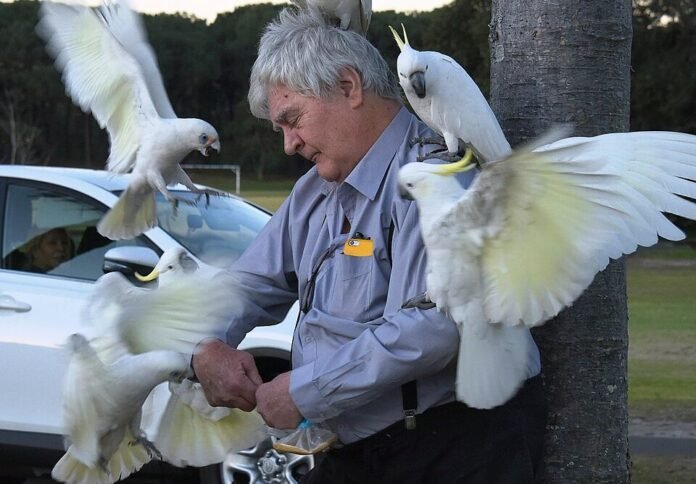
As Australia grapples with the spread of H5N1 bird flu through wild bird populations, experts are urging the public to take a few simple precautions that could help protect native wildlife.
While the virus poses a low risk to the general public, it has already caused significant deaths among wild seabirds interstate. Conservationists fear Australia’s unique birdlife and native mammals could be particularly vulnerable as the disease spreads.
One of the most important messages is don’t feed wild birds.
Whether it’s bread at the local lake, seed in the park or food scraps left outside, feeding birds encourages them to gather in unnaturally large numbers. Close contact between birds increases the opportunity for diseases such as bird flu to spread. Feeding can also attract multiple species to the same location, creating additional opportunities for the virus to move between species.
Residents are also being asked not to touch sick or dead birds or mammals. If you find an animal that appears unwell or discover several dead birds in one location, keep your distance, keep pets away, note the location if it is safe to do so, and report it through the national bird flu reporting system or the Emergency Animal Disease Hotline on 1800 675 888.
Other simple steps include:
- Keep dogs on a lead around sick or dead wildlife and prevent pets from investigating carcasses.
- Wash your hands after visiting parks, wetlands or beaches where birds congregate.
- If you keep backyard poultry, maintain good hygiene and prevent contact between domestic birds and wild birds where possible.
Although there have been no detections in commercial poultry in Australia, the Victorian Government has announced that poultry producers will be required to house their birds to help prevent the spread of H5N1.
authorities expect further cases in wild birds as migratory species continue to move around the country. Public vigilance will play an important role in tracking the disease and reducing its impact on Australia’s wildlife.