
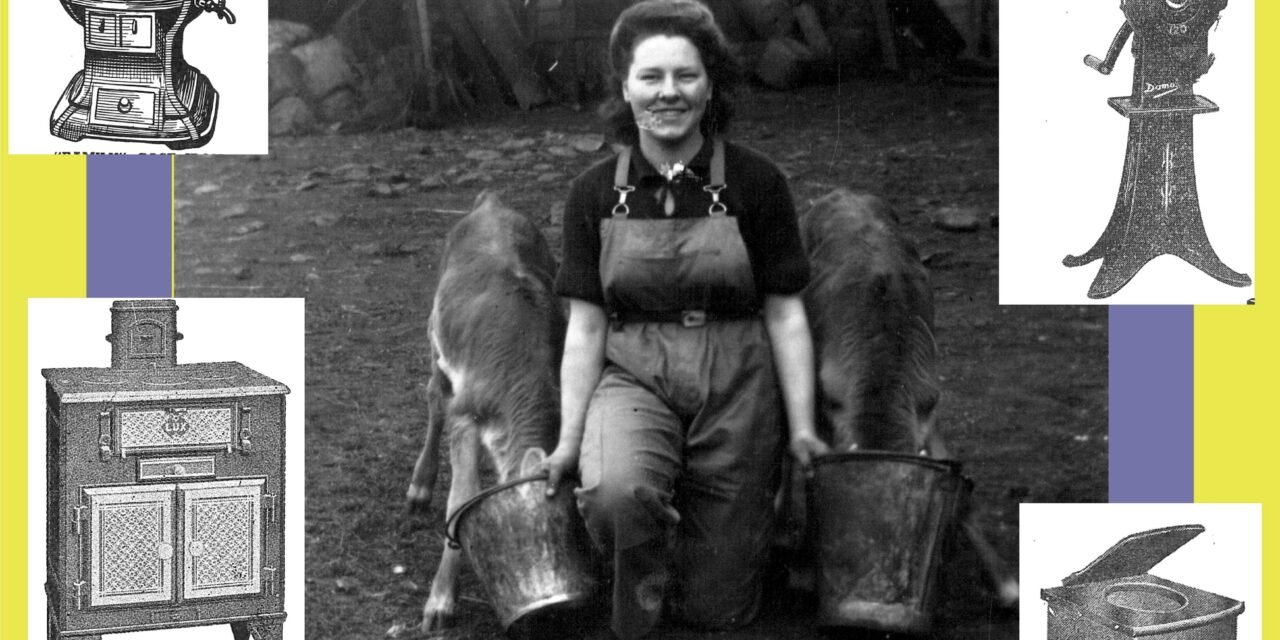
Step back into a world before the digital age this weekend. The Daylesford Museum is launching its newest exhibition, ‘On The Job’, offering a unique look at the working lives and tools of our community’s past.
Whether you want to reminisce about the craftsmanship of yesteryear or show the younger generation what life was like before computers and mobile phones became the norm, this exhibition provides a tangible connection to the history of local industry.
- Opening Date: Saturday, 28th March
- Location: Daylesford Museum, 100 Vincent Street
The Rhythm of the Pre-Digital Workplace
In the years before the digital revolution, the workplace was defined by a tangible, rhythmic connection to physical tools and manual processes. Communication relied on the post, the telegram, or a single shared landline telephone, meaning decisions were made at a much slower, more deliberate pace. Without the instant accessibility of mobile phones, workers were often truly “off the clock” once they left their station, as there was no way to reach them until they returned the next morning.
Daily tasks required a high level of tactile skill and patience that is rare in today’s automated world. Ledgers were painstakingly updated by hand with fountain pens, and every document was produced on a manual typewriter, where a single mistake often meant starting the entire page over. The “On The Job” exhibition captures this era of physical industry, where the sounds of clicking keys, whirring machinery, and face-to-face conversation formed the core of the working day.
Mining and Manual Labor
In Daylesford, life “on the job” was often synonymous with the grueling physical demands of the gold mines. Before the digital age, miners in the district relied on “quartz reefing” and deep lead tunneling—work that was performed in near-darkness with hand-forged steel tools and fueled by sheer physical endurance. Communication between the deep shafts and the surface involved complex bell-pull signals and the literal heavy lifting of steam engines to pump water and haul ore.
The Unseen Labor: Women’s Work in the District
While the mines dominated the landscape, the town’s survival relied heavily on the labor of women, much of which was informal and physically demanding. In an era before household automation, “the job” for many women meant managing the complex logistics of boarding houses for miners or running small-scale laundries that serviced the town’s growing population. This work was rarely recorded in official ledgers but required immense skill in chemistry, textiles, and time management—all performed without the aid of modern appliances.
Beyond the home, women were the backbone of Daylesford’s early service and retail sectors. From the meticulous work of seamstresses and milliners in Vincent Street shops to the “informal” economy of selling home-grown produce and poultry, their labor was essential to the community’s economic fabric. The exhibition sheds light on these roles, highlighting how women navigated a world where professional opportunities were often limited, yet their contribution to local industry was indispensable.
Preserving Our Heritage
In town, the pace was set by the arrival of the railway in the 1880s and the tactile work of local tradespeople—blacksmiths, bootmakers, and drapers—whose expertise was recorded not in a database, but in the physical quality of the goods they produced. Come along to celebrate our local heritage and the stories of those who built the foundation of our town.


