
Andrew Gallagher
This is the first in a series of articles on Posture and Health, focussing on a abroad discussion, of the physical and psychological benefits of developing good postural habits. Subsequent articles will explore practical ways to improve posture as well as considering, the therapeutic application of postural correction in the self management of common health complaints
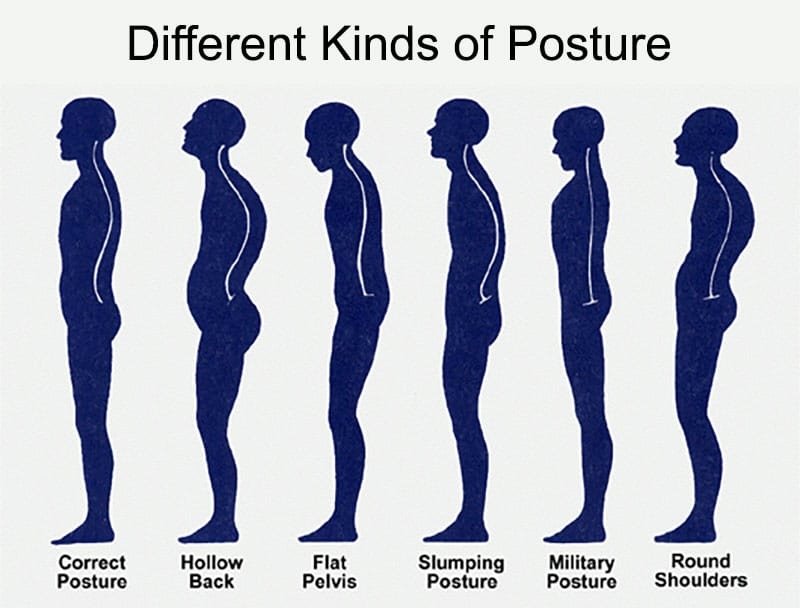
Good posture refers to the alignment of the body in away that places the least amount of stress on supporting structures such as muscles and ligaments at rest and during movement and weight bearing activities. Good posture involves:
- Alignment : Keeping the head, shoulders, spine and hips aligned.
- Muscle Coordination: Engaging the correct muscles for support.
- Balance: Distributing body weight evenly across the feet when standing or sitting.
How Posture Affects Physical health
Posture significantly influences various aspects of physical health including:
- Musculoskeletal Health: Proper posture reduces the risk of musculoskeletal orders, not only in relation to spinal conditions but also for many other conditions. For example maintaining good shoulder alignment helps prevent common conditions such as tenodonosis of the rotator cuff as well as shoulder bursitis. Good body alignment also ensures hip knee and ankle function is optimised, minimising forces that otherwise may hasten degenerative changes in these joints. Re establishing good body mechanics through postural re-education can also help reduce pain and disability that may otherwise develop from acute musculoskeletal injury.
- Respiratory Function: A good posture allows for optimal lung expansion as well as enhancing the mechanical efficiency of the diaphragm, allowing a deeper more efficient breathing pattern. Postural correction can also be an integral in the rehabilitation of common respiratory conditions including C.O.P.D.
- Digestive Health: Maintaining an upright posture can aid digestion, in a variety of ways including, alignment of organs enabling the stomach intestines and other digestive organs to function without obstruction. Slouching can compress the abdominal area leading to increased pressure on digestive organs. Good posture reduces this possibility ,allowing digestive organs to function optimally. In addition good posture aids peristalsis,( the wave like contractions that move food through the intestines) improving the overall efficiency of the digestive system.
- Circulation: Poor posture such as slouching or leaning forward can compress blood vessel, particularly in the abdominal and pelvic regions. Good posture helps maintain the natural width of veins and arteries, allowing blood to flow without obstruction. In addition maintaining an upright posture reduces pressure on veins in the legs, which helps to prevent varicose veins and promotes adequate venous return to the heart. As mentioned the improved respiratory function associated with proper posture enhances lung expansion as well as diaphragmatic action, both of which enhance the circulation particularly in respect of venous return which in turn optimises cardiac function.
Psychological Effects of Maintaining Good Posture
- Body Language: Good posture is often associated with confidence and assertiveness. Standing or sitting up straight conveys a strong, self assured demeanor
which can impact how individuals perceive themselves and how others perceive them.
- Positive Self Image: Maintaining an upright posture can lead to a more positive self -esteem, allowing individuals to feel more empowered in social and professional situations.
3) Psychological Calmness: Good posture can lead to a release of tension in the body, particularly in the shoulders, neck and back. This physical relaxation can translate into a mental state of calm, reducing overall feelings of stress and anxiety.
4)Mind-Body Connection: An upright posture can influence mood- regulating hormones, such as cortisol. A relaxed but upright posture may help lower cortisol levels, contributing to reduced feelings of anxiety.
5)Mental Alertness: An upright posture can stimulate alertness and mental readiness. An individual with an open upright posture is more receptive to their immediate environment, helping to stay engaged and productive in the various tasks of daily living.
6)Enhancement of Social Interactions: An upright open posture often makes individuals appear more approachable and friendly, facilitating social interactions . As opposed to the individual with head bowed, shoulders hunched eyes downcast which by contrast conveys unavailability and resistance to social contact.
Conclusion: In summary maintaining good posture not only enhances physical health through its effect on the musculoskeletal, respiratory, digestive and circulatory systems, but also has profound psychological benefits, including increased confidence, reduced stress, enhanced focus , improved mood, and better social interactions. Cultivating an awareness of posture can be a valuable tool for overall physical, mental, and emotional wellbeing.
Andrew Gallagher Physiotherapist Springs Medical ( Enthusiastic Gardener).