
A new Federation University report tells how local residents took on Australia’s biggest liquor retailer and won, and what it cost them.
Three years ago, few people would have backed a loose group of Daylesford residents against Australia’s largest liquor retailer. In July 2022 Endeavour Group applied for a licence to open a 626 square-metre Dan Murphy’s. The Bridport Road site was opposite the town pool and the school bus stop, a short walk from the primary school and kindergarten.
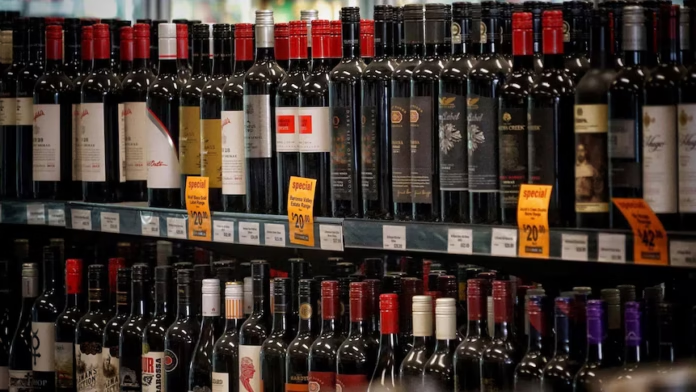
For a small town of around 2,500 people, this was a huge corporate liquor store. Daylesford already had a significant number of liquor stores. The Dan Murphy outlet would have more than doubled the local retail space for liquor sales. Not surprisingly, there was significant community opposition.
The objectors lost the first round. Despite 207 objections, a Liquor Commission delegate granted the licence in December 2022. Residents and Hepburn Shire Council sought a review. After fifteen days of hearings, the Victorian Liquor Commission refused the licence in August 2024. It found an appreciable risk that the store would increase the supply of alcohol to local young people. Endeavour appealed, and in September 2025 VCAT upheld the refusal.
It was the first refusal under Victoria’s amended definition of alcohol-related harm. It was won by people with no formal organisation, no designated leader, no lawyer and no money.
A new Federation University report Contesting Big-Box Liquor: Lessons from the Daylesford Campaign, tells how they did it. The report is published by Federation University. Hal Swerissen, Emeritus Professor of Public Health at La Trobe University, Margaret Camilleri, Associate Professor at Federation University and Debra Rauber, independent community researcher authored the report. Hal Swerissen and Margaret Camilleri gave evidence pro bono for the objectors. Deb Rauber was an objector and helped organise the campaign.
The report draws on a survey of 50 objectors and interviews with seven key participants. Participants learned quickly that the case would turn on harm, not on parking, amenity or the impact on the town’s character. The findings outline the effort it takes to contest large packaged liquor licences against major corporate interests.
Harm had to be demonstrated with local evidence. That meant the Shire youth survey, and photographs and sightlines from the site. It meant testimony from health and education workers, and young people’s own accounts of drinking near the lake, the pool and the bus stop.
The win came at a cost. A core group of about fifteen people carried the case to the end, some giving hundreds of hours. Several described the stress of cross-examination and growing worry about legal costs. Victoria Police did not oppose the licence, and school staff were unable to comment.
The report places Daylesford alongside other contests over big-box stores, from Byron Bay to Darwin and Wodonga. It makes 15 recommendations. One is a funded support service for community objectors, modelled on the Environmental Defenders Office. Others are access to local police and ambulance data, and changes to the Liquor Control Reform Act. Those changes would make town size, long-term health harms and outlet density count when large stores are assessed.
The report will be launched at a Daylesford Conversation at 6 pm on the 25th of November at the Community Bank meeting room, 113 Main Road, Hepburn Springs. This is a free event, followed by drinks and nibbles, but places are limited, so please register on trybooking.
Editor’s note: Wombat Post editor Hal Swerissen is a co-author of the report.